
Best Door Sensor Battery Replacement of 2026 for Reliable Security
Secure entryways with the best door sensor battery replacement options in October 2026 to stop signal loss and keep motion alerts active.
 By Rachel Cericola
Updated October 3, 2026
By Rachel Cericola
Updated October 3, 2026

Unexpected disconnects in security perimeter setups usually strike at the worst possible moments. A magnetic contact or presence detector suddenly drops offline, leaving automated routines blind and entryway alerts completely silent. Installing the best door sensor battery replacement restores steady wireless communication between your door hardware and central hub without annoying latency. Whether you monitor heavy front doors or garage roll-up tracks, consistent voltage prevents erratic low-power drops that cause false alarms or delayed occupancy triggers.
Based on product specifications and user feedback across modern security hardware, picking the proper cell chemistry matters just as much as proper sizing. Many smart home owners prefer dedicated lithium cells because they deliver stable discharge curves during winter freezes and intense summer heat. Pair that power reliability with proper maintenance of your battery cover replacements to prevent moisture ingress and signal interference. Evaluating shelf life, continuous milliamp-hour ratings, and internal short-circuit protections helps ensure your entryways remain defended around the clock.
| Award | Product | SSG Score About SSG ScoreThe SSG Score is our own rating from 0 to 10, based on performance, design and build, ease of use, and value. It reflects independent research and is never influenced by manufacturers, retailers, or affiliate commissions. Learn more › | |
|---|---|---|---|
| Best Overall |
Enegitech CR123A 3V Lithium Battery
|
9.2/10 | Buy |
| Best Budget |
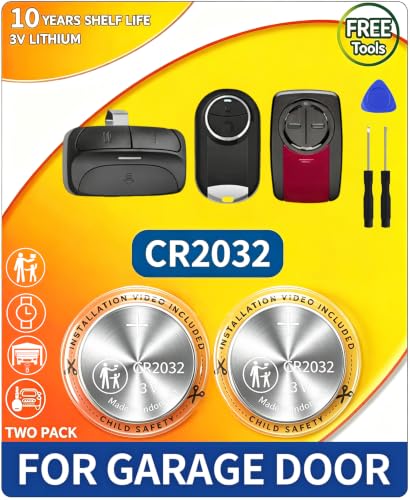 Knmipm Garage Door Opener Battery Replacement
|
8.3/10 | Buy |
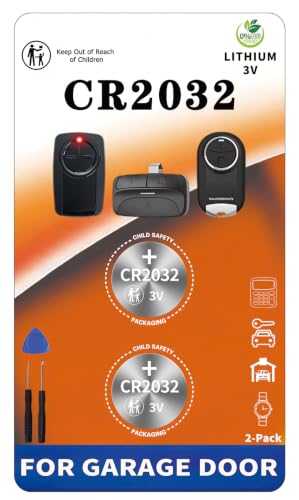 BBXSA Garage Door Opener Battery
|
8.0/10 | Buy |
Frequently Asked Questions
How often do door and motion sensor batteries need replacement?
Most standard door contact and motion detectors require fresh batteries every one to three years. High-traffic front doors or active hallway sensors drain cells faster due to frequent radio transmissions. Installing high-capacity lithium cells provides steady standby power and reduces maintenance cycles across your security setup.
What battery chemistry is ideal for garage door and entryway sensors?
Lithium chemistry is the superior choice for unconditioned spaces like garages and exterior door frames. Unlike standard alkaline cells, lithium batteries resist extreme temperature fluctuations without significant voltage drops. This prevents false offline alerts when winter temperatures plunge or summer heat peaks.
Can a dying battery trigger false open alerts or detection lag?
Yes, low voltage frequently causes erratic reporting and sluggish response times. When a sensor battery dips below operating thresholds, wireless transmitters struggle to communicate with the hub, often misreporting open contacts or missing motion entirely. Upgrading to fresh cells with internal pressure and current protection stabilizes detection accuracy.
What is the difference between CR123A and CR2032 cells in door sensors?
CR123A cells offer higher capacity (often 1600 mAh) and greater power delivery for long-range sensors and commercial transmitters, while CR2032 coin cells provide slim profiles for low-profile residential contacts. Pairing the correct form factor with calibrated hardware like integrated door position sensors ensures continuous magnetic monitoring.
How do you verify the sensor functions after installing the best door sensor battery replacement in 2026?
Verify functionality by triggering the magnetic contact or walking past the detection field while watching your smart hub app. Look for immediate status changes from open to closed or clear motion notifications. Testing connection latency confirms that your reliable entry security hardware communicates without dropped packets.
About the author
Rachel Cericola is an experienced smart home writer and product tester with extensive hands-on experience evaluating connected devices. Her expertise includes security cameras, video doorbells, smart-home platforms, video storage, privacy, and everyday device usability. She approaches home security from a consumer-first perspective, helping readers understand how products perform beyond specifications and what features matter most in daily use.