
Best Home Door Sensor Battery of 2026 Top Picks
Reliable entryway detection starts with the best home door sensor battery options for October 2026 to keep alarms powered and prevent false alerts.
 By John Carlsen
Updated October 3, 2026
By John Carlsen
Updated October 3, 2026

Eliminating Entryway Blind Spots and Power Dropouts
Few things ruin peace of mind faster than a security sensor dropping offline in the middle of the night. A dead battery on an entry monitor or motion detector means open windows and doors go completely unnoticed, leaving your perimeter vulnerable. Whether you manage standalone magnetic chimes or connect contact sensors directly to reliable smart lock door setups, consistent voltage is critical. Evaluating power cells requires looking closely at discharge rates and shelf life. Installing the best home door sensor battery setup ensures your magnetic reed contacts and passive infrared sensors stay active for years without annoying maintenance loops.
High-drain smart sensors that ping base stations over long wireless distances chew through cheap alkaline cells in no time. That is why selecting lithium chemistries like CR123A or reliable AAA packs with built-in safety protection makes a huge difference. Based on manufacturer specifications and common user experiences, high-capacity cells with low self-discharge rates keep transmitters stable through freezing winter mornings and hot summer afternoons. Upgrading to dependable power prevents false triggers, stops sudden signal drops, and keeps your instant entry alerts firing the exact second a door swings open.
| Award | Product | SSG Score About SSG ScoreThe SSG Score is our own rating from 0 to 10, based on performance, design and build, ease of use, and value. It reflects independent research and is never influenced by manufacturers, retailers, or affiliate commissions. Learn more › | |
|---|---|---|---|
| Best Overall |
Enegitech CR123A 3V Lithium Battery
|
9.2/10 | Buy |
| Best Premium |
 eufy Security Entry Sensor E20
|
9.1/10 | Buy |
| Best Budget |
 4 Pcs 90dB Door Window Alarm,Wireless Sensor Alarm
|
8.9/10 | Buy |
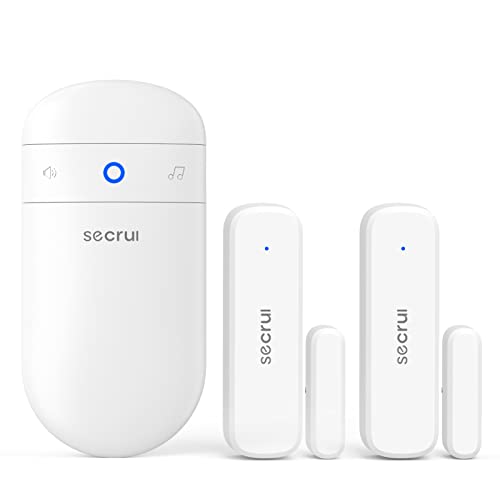 Door Chime When Door Opens
|
8.9/10 | Buy | |
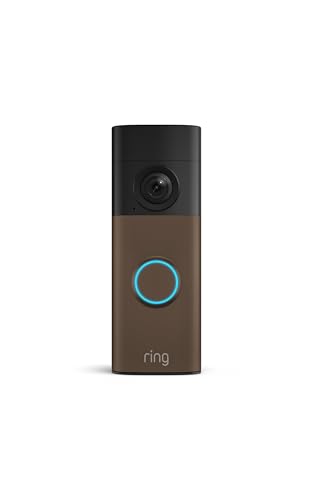 Ring Battery Doorbell 2K (newest model)
|
8.9/10 | Buy | |
| Best Value |
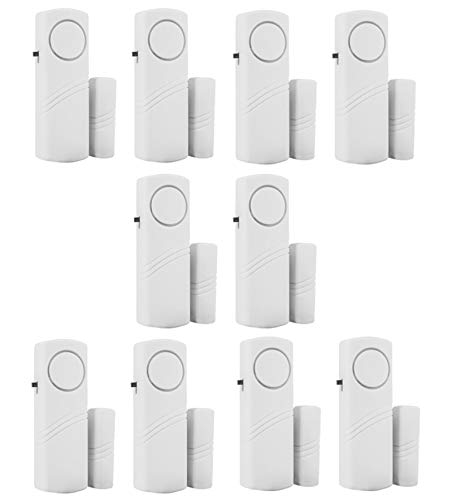 HIIXHC Personal Security Window & Door Alarm Bell
|
8.1/10 | Buy |
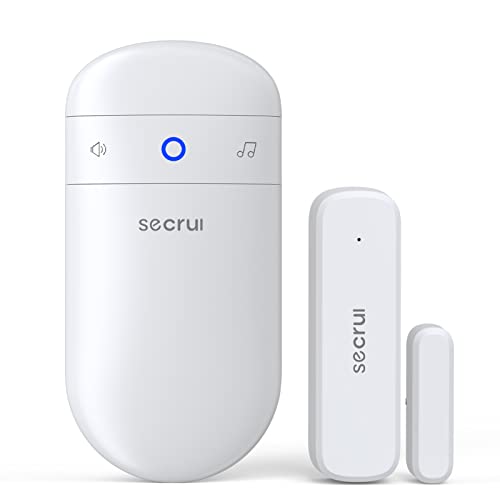 Door Chime When Door Opens
|
8.1/10 | Buy | |
 DEEIRAO Home Keyhole Light Wireless Motion Sensor
|
7.8/10 | Buy |
Frequently Asked Questions About Door Sensor Batteries
Which battery chemistry works best for wireless home door sensors?
Lithium batteries are the best choice for door contact and motion sensors due to their high energy density and resistance to voltage sag. Unlike standard alkaline cells that lose voltage quickly in cold weather, 3V lithium cells like CR123A or CR2 provide stable power across extreme temperature swings. They also feature a shelf life of up to ten years, preventing frequent replacements in hard-to-reach door frames.
How long does a typical door sensor battery last in high-traffic entryways?
Most door contact sensors run between one to five years on a single quality battery. Magnet-based reed switches consume minimal standby power, drawing energy primarily when the door opens and the sensor broadcasts a radio signal. Smart sensors connected to automated hubs or paired with smart lock door battery cover components may drain slightly faster if doors open dozens of times per day.
Can low sensor battery voltage trigger false alarms or missed chimes?
Yes, dying batteries frequently cause false alarms, phantom triggers, or delayed notifications. When voltage drops below the operating threshold of the wireless radio, the transmitter struggles to send a clean packet to the base station. This erratic behavior can fool the security system into reporting an open circuit or an offline tamper alert.
Why do some door sensors use CR123A cells instead of standard AAA batteries?
CR123A 3V lithium cells deliver higher instantaneous current and significantly longer operational standby life in compact enclosures. Smart sensors communicating over extended ranges need brief bursts of high power to penetrate thick walls and reach security hubs. AAA batteries work well for simple standalone 90dB buzzer alarms, but CR123A cells provide superior power consistency for connected automation systems.
How do you know when it is time to replace a home door sensor battery in 2026?
Most modern security apps send push notifications when sensor battery levels dip below twenty percent. For standalone chimes without smart app pairing, watch for dimmed LED indicator flashes, weaker chime volumes, or audible low-battery chirps. Swapping the best home door sensor battery at the first warning ensures continuous perimeter security without coverage dropouts.
Does cold weather drain door and window sensor batteries faster?
Yes, freezing outdoor temperatures slow chemical reactions inside the battery, causing temporary voltage drops. Exterior entryways, unheated garages, and drafty patio doors experience faster power drain during winter months. Using lithium chemistry mitigates this issue because lithium cells operate reliably in freezing environments where alkaline batteries quickly fail.
About the author
John Carlsen is a home security and smart home specialist with more than a decade of experience researching and testing security technology. His expertise covers DIY security systems, security cameras, smart devices, pricing, contracts, and connected-home technology. He combines hands-on product testing with detailed research to explain strengths, limitations, ownership costs, and real-world value in straightforward terms for homeowners and renters.