
Do You Need Wifi for Ring Doorbell? Network Requirements for 2026
Explore whether do you need wifi for ring doorbell setups require internet access, how offline chimes behave, and alternative connectivity options for October 2026.
 By John Carlsen
Updated October 3, 2026
By John Carlsen
Updated October 3, 2026

Homeowners setting up smart entry hardware often wonder how these connected devices function when internet access is limited or completely unavailable. A common dilemma arises when asking: do you need wifi for ring doorbell setups at a vacation home, detached garage, or apartment where broadband service has not yet been established. While these cameras are engineered from the ground up as cloud-first security devices, understanding what features require active network access can prevent frustrating surprises during installation. If you are comparing different Ring video doorbell models, knowing the baseline networking requirements helps clarify what the hardware can accomplish right out of the box.
The short answer is that internet connectivity is fundamentally required to access core smart features such as push notifications, remote live viewing, and cloud-stored video recordings. Without an active local network, the camera sensor and cloud backend cannot communicate with your smartphone or digital assistant devices. However, depending on whether you evaluate wired versus wireless doorbells, certain physical behaviors like pressing the button can still trigger an existing mechanical chime inside your hallway. Exploring how local wireless communication interacts with these devices will help you decide if a smart doorbell fits your property.
| Award | Product | SSG Score About SSG ScoreThe SSG Score is our own rating from 0 to 10, based on performance, design and build, ease of use, and value. It reflects independent research and is never influenced by manufacturers, retailers, or affiliate commissions. Learn more › | |
|---|---|---|---|
| Best Overall |
Ring Battery Doorbell 2K (newest model)
|
9.2/10 | Buy |
| Best Budget |
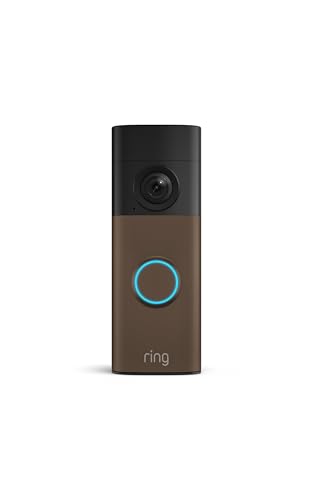 Ring Battery Doorbell 2K (newest model)
|
8.9/10 | Buy |
| Best Value |
 Ring Battery Doorbell (newest model)
|
8.9/10 | Buy |
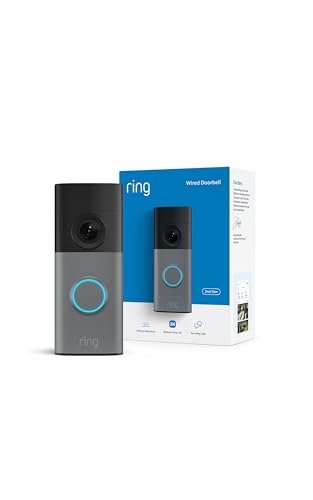 Ring Wired Doorbell 2K (newest model)
|
8.8/10 | Buy | |
 Ring Chime Plus (newest model) , Crisp
|
8.8/10 | Buy | |
| Best Premium |
 Ring Wired Doorbell 2K Plus (Newest Model)
|
8.8/10 | Buy |
 Ring Wired Doorbell 4K Pro (Newest Model)
|
8.8/10 | Buy | |
 Ring Chime , Enhanced audio for real-time alerts
|
8.6/10 | Buy | |
 Ring Battery Doorbell 4K Pro (newest model)
|
8.3/10 | Buy | |
 Ring Battery Doorbell 2K (newest model)
|
8.0/10 | Buy |
Understanding Connectivity Requirements for Ring Doorbells
Answering whether do you need wifi for ring doorbell hardware requires examining how smart security cameras process and transmit audio and visual data. Ring doorbells are fundamentally designed as network-connected communication nodes that bridge the physical entryway of your home with remote cloud servers. Without an active local wireless network, the unit cannot send outbound data to the companion application on your mobile device. Homeowners must understand how the device functions when severed from the web to determine if it meets their front-door security needs.
The Direct Answer: Why Ring Cameras Depend on Wi-Fi
A smart doorbell functions by capturing raw video frames, converting audio input, and passing motion alerts directly through an internet gateway. Because these devices lack integrated cellular radios or internal onboard hard drives, they depend on your home router as their sole bridge to external cloud infrastructure. When a visitor approaches or presses the doorbell button, the unit immediately attempts to establish an encrypted handshake with external servers. If no wireless signal is present, this handshake fails, leaving the device isolated from your personal devices.
Push notifications and live video feeds are entirely routed through cloud notification infrastructure. When your home network goes offline, the camera cannot transmit the trigger event to alert your smartphone or smart display. This limitation means you will not receive real-time motion alerts, delivery notices, or button-press pop-ups while away from home. The smart capabilities that define modern video monitoring effectively pause until an active internet connection is restored.
Offline Capabilities: What Still Works When the Internet Drops
Examining what happens when the internet drops reveals a clear distinction between digital smart features and physical functions. The video sensor, motion detection processing, and night vision infrared emitters may remain powered, but they cannot save or transmit their output. Ring devices do not contain internal microSD card slots or local flash storage to buffer footage recorded during a connection loss. Any motion event that takes place while the internet connection is severed is permanently lost rather than queued for later upload.
Battery-powered doorbells mounted without hardwired connections suffer the most significant functional loss during an outage. Without low-voltage wiring running to a mechanical chime box, these units rely exclusively on digital chimes or smartphone notifications to signal visitor arrival. When the local network disconnects, a visitor pressing the button will produce an exterior chime tone from the camera itself, but no sound will emit inside your home. In an unlinked state, a standalone battery doorbell functions merely as a decorative button that alerts only the person standing outside.
Physical Chime Behavior: Hardwired Loops vs. Wireless Chimes
Homeowners with existing low-voltage doorbell wiring often wonder if their physical hallway chime will continue to ring during an internet failure. The electrical loop powering an analog mechanical chime relies on an alternating current transformer, usually rated between 16 and 24 volts AC. When a hardwired Ring doorbell button is depressed, an internal switch closes the circuit loop regardless of the status of your router. As a result, the physical solenoid plunger strikes the chime tone bar just as an old-fashioned push button would.
Electronic digital chime boxes, which play pre-recorded melodies through an integrated speaker, require specialized diode or power module connections. These electronic units depend on steady voltage delivery and may exhibit unpredictable behavior if the doorbell resets during a network drop. In contrast, proprietary plug-in accessory chimes rely entirely on local wireless communication protocols to receive trigger events. If your router loses power or experiences a broadband disruption, wireless plug-in chimes cannot sound an alert within your living space.
Using Mobile Hotspots and Cellular Connections at Remote Sites
Setting up smart surveillance at remote locations, job sites, or seasonal cabins often forces users to look beyond fixed broadband lines. While the doorbell hardware cannot accept a direct cellular SIM card, it can connect to a dedicated mobile hotspot or cellular router. A mobile hotspot creates a standard local wireless broadcast that mimics a residential home network, allowing the doorbell to pair successfully. This workaround provides full cloud access, live streaming, and smartphone notifications as long as cellular reception remains strong.
Utilizing a mobile hotspot introduces practical constraints regarding continuous data consumption and thermal stability. Video doorbells transmit substantial amounts of data, especially when configured for high motion sensitivity or continuous live monitoring. Streaming high-definition or Retinal 2K video feeds over a metered cellular plan can rapidly exhaust monthly high-speed data allowances. Homeowners exploring standalone wireless smart doorbells for off-grid applications must monitor data usage carefully to avoid unexpected bandwidth throttling.
Frequency Bands: 2.4 GHz Range vs. 5 GHz Throughput
Wireless frequency selection plays a major role in the overall reliability and latency of your front-door camera. Most smart video doorbells rely primarily on the 2.4 GHz frequency band due to its superior propagation characteristics through physical barriers. Exterior building materials such as brick, stucco, stone veneer, and metallic storm doors attenuate high-frequency radio waves significantly. The longer wavelengths of 2.4 GHz signals penetrate dense exterior framing far more effectively than shorter, faster frequencies.
Dual-band models capable of connecting to 5 GHz networks offer higher data transmission rates but suffer from restricted effective range. While 5 GHz channels can alleviate network congestion in suburban neighborhoods crowded with competing wireless signals, the signal degrades rapidly through insulated exterior walls. Placing a dual-band doorbell on a 5 GHz band often results in weak signal reception unless the wireless router is positioned directly adjacent to the entryway. Evaluating your porch signal strength using in-app diagnostic metrics helps determine the most dependable frequency band.
Upstream Bandwidth Demands for High-Resolution Sensors
Video doorbells with upgraded optical sensors, such as Retinal 2K or 4K Pro models, demand greater network throughput to operate smoothly. Higher pixel counts produce larger data payloads that must be compressed and transmitted in real time across your local router to the cloud. When multiple connected devices share the same wireless network, upstream bandwidth bottlenecks can cause video stuttering or dropped frames. A home connection with limited upload capacity may struggle to sustain clear high-resolution feeds alongside regular household internet traffic.
Upstream speed is far more critical for video doorbell operation than downstream download speed. While streaming movies or browsing websites utilizes downstream bandwidth, your front-door camera continuously uploads rich video data to remote servers. A minimum dedicated upload speed of two to four megabits per second per active camera is generally recommended for consistent performance. If your household operates multiple smart cameras simultaneously, ensuring sufficient aggregate upload bandwidth prevents connection timeouts during live-view sessions.
Local Storage Differences and Subscription-Free Alternatives
Homeowners who prefer completely independent operation often look for smart entry devices that do not rely on external cloud connections. Ring devices are fundamentally built around a cloud ecosystem where recorded events are stored on remote servers through an optional subscription plan. Without an active network connection and cloud plan, historical video clips cannot be saved, searched, or reviewed at a later time. This cloud dependency makes the system vulnerable to outages caused by regional internet service disruptions.
If internet independence and recurring fee avoidance are your primary goals, researching subscription-free video doorbell options provides valuable insight into alternative hardware designs. Competing security brands frequently incorporate on-device microSD memory cards or dedicated local base stations with onboard solid-state storage. These alternative architectures record motion events locally, allowing the camera to preserve security footage even if the residential internet connection goes down. Choosing between cloud-tethered devices and local-storage systems involves balancing convenience against privacy and network autonomy.
Power Management: How Network Drops Impact Battery Life
The relationship between network stability and device battery consumption is frequently overlooked by new smart doorbell owners. When a battery-powered video doorbell experiences an internet outage, its internal Wi-Fi chip enters an aggressive scanning state to re-establish contact with the router. Continually broadcasting search probes consumes significantly more electrical current than maintaining a quiescent standby connection. A prolonged network interruption can drain a rechargeable battery pack in a matter of days rather than weeks.
Hardwired installations mitigate this excessive drain by supplying continuous low-voltage alternating current from a dedicated transformer. Even during an extended network blackout, the trickle-charge mechanism prevents the internal battery chemistry from discharging completely. However, homeowners must verify that their low-voltage transformer delivers adequate continuous power under full operational load. Cold ambient temperatures further compound battery drain, making a stable wireless signal essential for preserving battery longevity across seasonal changes.
Step-by-Step Diagnostic Routine for Offline Doorbells
When a smart doorbell unexpectedly falls offline, systematically diagnosing the connection path resolves the issue quickly. The first step involves checking the primary broadband gateway to verify that other wireless devices in your home maintain active internet access. If your smartphone can browse the web over your local Wi-Fi network, the issue is isolated to the exterior entryway device or its immediate signal path. If the router itself has lost connection, power cycling the networking equipment often restores functionality across all connected hardware.
Performing a controlled hardware restart or soft reset on the doorbell itself can clear temporary firmware cache errors. For battery-powered models, detaching the unit using the included security pin and reseating the battery pack forces the internal operating system to reboot. Hardwired models can be safely power-cycled by switching off the dedicated residential circuit breaker for thirty seconds before restoring power. Once the unit restarts, it will initiate a fresh handshake with your router, resolving minor software hangs without erasing your personalized device settings.
Front Porch Signal Optimization and Closing Takeaways
Achieving a resilient, low-latency connection requires intentional placement of your wireless networking hardware. Because the front porch is often located at the physical perimeter of a residence, it frequently resides in a wireless coverage fringe. Installing a dedicated mesh network node or wireless range extender within fifteen to twenty feet of the front entryway dramatically improves signal penetration. Positioning the router away from large appliances, microwave ovens, and dense masonry walls minimizes radio frequency reflection and path loss.
Setting up dedicated network channels can prevent the doorbell from competing with bandwidth-intensive household devices. Configuring a separate 2.4 GHz guest network or smart-home subnet allows you to reserve transmission capacity exclusively for entry security cameras. Routinely monitoring your device health dashboard in the companion application provides proactive insight into potential connectivity degradation before the unit drops offline completely. Resolving connection bottlenecks early guarantees that your front-door camera remains responsive, dependable, and fully capable of protecting your threshold.
About the author
John Carlsen is a home security and smart home specialist with more than a decade of experience researching and testing security technology. His expertise covers DIY security systems, security cameras, smart devices, pricing, contracts, and connected-home technology. He combines hands-on product testing with detailed research to explain strengths, limitations, ownership costs, and real-world value in straightforward terms for homeowners and renters.