
Is the Ring Doorbell Waterproof? Weather Protection Guide for 2026
Is The Ring Doorbell Waterproof is a common question for homeowners. Learn how weather resistance protects your smart video entry devices in October 2026.
 By John Carlsen
Updated October 3, 2026
By John Carlsen
Updated October 3, 2026

Heavy rain and seasonal storms frequently test the exterior hardware protecting modern entryways. Homeowners often ask is the ring doorbell waterproof when planning outdoor installations without a protective porch roof. While these smart video doorbells are built to handle everyday elements like blowing precipitation, they are technically water-resistant rather than completely submersible. Pairing durable outdoor camera hardware with reliable smart lock options ensures a secure entryway that functions through changing weather.
Water exposure can impact camera lenses, microphone membranes, and electrical terminals if moisture finds its way past protective housing seals. Proper installation methods, such as adding silicone sealant along uneven siding or utilizing angled mounting wedges, help divert water away from critical wiring connections. In addition, low-voltage power supplies and quick-release battery compartments require specific precautions to avoid electrical short circuits during intense downpours. Understanding how moisture resistance works will keep your entryway security hardware operating reliably across every season.
| Award | Product | SSG Score About SSG ScoreThe SSG Score is our own rating from 0 to 10, based on performance, design and build, ease of use, and value. It reflects independent research and is never influenced by manufacturers, retailers, or affiliate commissions. Learn more › | |
|---|---|---|---|
| Best Overall |
Ring Battery Doorbell 2K (newest model)
|
9.2/10 | Buy |
| Best Premium |
 Ring Battery Doorbell 2K Plus (newest model)
|
9.2/10 | Buy |
| Best Budget |
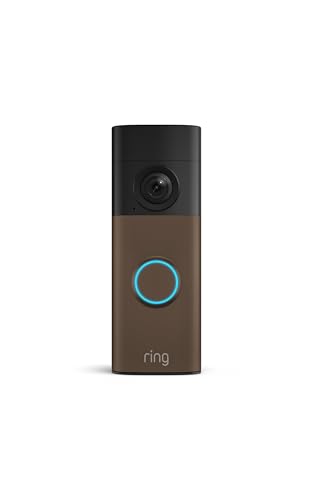 Ring Battery Doorbell 2K (newest model)
|
8.9/10 | Buy |
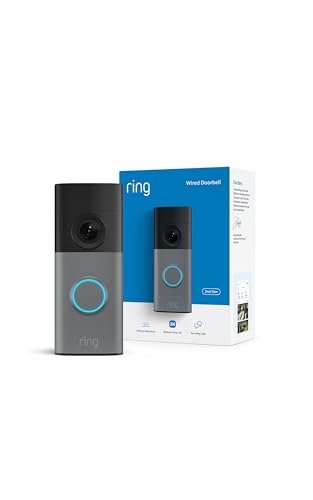 Ring Wired Doorbell 2K (newest model)
|
8.8/10 | Buy | |
| Best Value |
 Ring Chime Plus (newest model) , Crisp
|
8.8/10 | Buy |
 Ring Wired Doorbell 2K Plus (Newest Model)
|
8.8/10 | Buy | |
 Ring Wired Doorbell 4K Pro (Newest Model)
|
8.8/10 | Buy | |
 Ring Chime , Enhanced audio for real-time alerts
|
8.6/10 | Buy | |
 SECRUI Wireless Doorbell, Easy installation
|
8.4/10 | Buy | |
 Anti-Theft Ring/Blink Doorbell Mount for 2026
|
8.3/10 | Buy |
Understanding Weather Resistance and Moisture Protection for Video Doorbells
Home security devices installed at front entryways face direct exposure to changing atmospheric elements every day. The direct answer to whether a smart video doorbell can survive the outdoors is that these devices are water-resistant, but they are never fully waterproof. Manufacturers engineer their hardware to endure blowing rain, high humidity, falling snow, and direct sunlight without suffering structural failure. However, treating a device as completely waterproof can lead to costly mistakes, such as using pressure washers nearby or letting water pool around the casing.
Water-Resistant vs Waterproof: Defining the True Ingress Boundaries
Clear terminology makes a significant difference when evaluating how exterior electronics handle outdoor exposure. A product labeled as waterproof is engineered to survive continuous submersion beneath a specific depth of liquid for an extended timeframe without taking on moisture. By contrast, a water-resistant device uses tight casing seams, silicone gaskets, and protective membrane barriers to repel splashing water and driving rain. Smart video entry cameras fall firmly into the water-resistant category because their exterior housings include intentional openings for speakers, microphones, and mounting interfaces.
Standard ingress protection ratings illustrate these physical design differences across entry hardware. Some standalone alert devices, such as the SECRUI Wireless Doorbell, explicitly state an IP55 rating, signifying protection against dust deposits and moderate water jets from any direction. Video doorbells from major manufacturers typically meet comparable environmental standards, even when an explicit numerical IP code is omitted from marketing materials. These devices withstand horizontal downpours, swirling morning mist, and blowing sleet when installed securely against a flat exterior surface.
Submerging any video doorbell underwater will inevitably ruin its internal electronic circuitry. Water will seep past speaker mesh grills, migrate through microphone ports, and penetrate the seams between the camera faceplate and the mounting backplate. Once liquid reaches the main circuit board, it creates electrical short circuits that permanently corrode delicate traces and optical camera sensors. Homeowners should never attempt to clean outdoor doorbell units by aiming a pressurized garden hose nozzle or pressure washer directly at the lens face.
How Rainfall and Wind-Driven Moisture Affect Lens Optics and Sensors
Heavy precipitation introduces optical challenges that can temporarily degrade video surveillance clarity. Water droplets that settle directly on the front lens dome create focal distortion, blurring facial details and obscuring passing delivery packages. High Dynamic Range sensors and high-resolution cameras, such as the Retinal 4K sensor in the Ring Wired Doorbell 4K Pro, rely on clean optical pathways to deliver crisp recordings. When rainwater smears across the glass cover, infrared night vision illuminators can also reflect off surface droplets, causing bright glare flares during nighttime events.
Wind-driven rain can also interfere with passive infrared motion sensors and computer vision detection zones. Passive infrared sensors monitor rapid changes in surface heat signatures across the front walkway to identify human movement. Rapid temperature shifts caused by cold rainwater hitting a warm plastic sensor dome can sometimes trigger unwanted motion alerts. Advanced models balance passive infrared data with radar or on-device artificial intelligence filtering, helping separate actual visitors from heavy wind-driven rain gusts.
Microphone ports and speaker grilles require specific moisture management features to maintain clear two-way communication. Acoustic ports are typically backed by hydrophobic breathable acoustic membranes that permit sound waves to pass while blocking liquid water droplets from penetrating. If heavy rain drenches these membranes, audio may sound temporarily muffled or garbled until the acoustic fabric dries. Allowing natural airflow across the doorbell body usually restores full audio clarity shortly after a rainfall event ceases.
Battery-Powered vs Hardwired Models: Vulnerability Points and Gasket Seals
Power delivery architecture plays a critical role in how moisture affects smart entry devices. Battery-powered units, such as the Ring Battery Doorbell 2K with its built-in battery or the Ring Battery Doorbell 2K Plus with its quick-release pack, contain internal battery compartments that must remain sealed. Opening the battery compartment introduces a potential path for moisture ingress if the user reassembles the unit in damp weather. Ensuring that rubber seals are seated flush inside their grooves prevents water from contacting the sensitive lithium battery terminals.
Hardwired models tap into existing low-voltage electrical systems, drawing continuous alternating current from a transformer rated between 16 and 24 volts AC. The Ring Wired Doorbell 2K and Ring Wired Doorbell 2K Plus feature rear terminal screws where incoming solid copper bell wires connect. If wind-driven rain runs down the wall surface and slips behind an unsealed backplate, water can bridge those exposed terminal screws. While low-voltage AC wiring carries minimal shock risk, moisture-induced bridging can cause transformer humming, blown power kit fuses, or intermittent chime drops.
Maintaining tight weather-sealing gaskets is just as vital for smart locks as it is for entry video cameras. Just as exterior keypads need tight seals, finding compatible smart lock battery cover replacements helps keep internal electronics dry when exposed to humid outdoor drafts. Inspecting the rubber gaskets on your video doorbell during initial installation ensures moisture cannot bypass the perimeter barrier. Whenever you detach a battery doorbell for recharging, wipe down the backplate rim before clicking the unit back into its permanent mount.
Managing Winter Freezing, Condensation, and Sub-Zero Temperature Thresholds
Freezing weather introduces physical dynamics that challenge outdoor electronic housings beyond standard rainfall. When temperatures drop below 32 degrees Fahrenheit, or zero degrees Celsius, lithium-ion battery chemistry undergoes significant electrochemical resistance. The internal battery cells in smart doorbells cannot safely accept an incoming electrical charge when frozen, causing hardwired trickle-charging to shut down automatically. Prolonged sub-freezing exposure accelerates battery drain, requiring users to bring removable battery packs indoors to warm up before recharging them via standard USB-C cables.
Condensation can develop when rapid outdoor temperature fluctuations cause humid air to hit cold camera lenses. High-quality smart doorbells seal internal optical compartments to prevent internal fogging between the lens elements and the image sensor. However, condensation on the external surface of the outer protective cover remains common on chilly mornings. External fogging typically evaporates naturally as daytime temperatures rise, but persistent moisture trapped inside the sealed casing indicates an internal seal failure that warrants warranty replacement.
Ice accumulation can freeze physical push buttons, preventing visitors from ringing your indoor mechanical or digital chime. Ice can also freeze the release latch on battery-powered models, making it difficult to detach the faceplate for seasonal maintenance. Applying gentle pressure with a warm cloth can melt external ice jams without scratching delicate optical coatings. Never use metal scraping tools, hot air guns, or chemical de-icers, as these items will warp plastic housing components and damage weatherproofing gaskets.
Mounting Strategies to Prevent Water Pooling on Siding, Brick, and Stucco
Exterior wall textures directly influence how well a video doorbell seals against moisture intrusion. Mounting a flat backplate against overlapping vinyl or aluminum lap siding leaves triangular gaps along the top and bottom edges. Wind-driven rain easily flows behind these gaps, finding direct paths to low-voltage wire pass-through holes in the home exterior. Installing a specialized vinyl siding wedge or mounting block provides a flush, vertical plane that prevents water from draining down the rear surface.
Masonry, rough stucco, and exterior brick create uneven surfaces that require careful sealing preparation during installation. When drilling pilot holes into mortar or masonry, using the supplied wall anchors ensures a tight mechanical clamp against the wall. Applying a thin bead of exterior-grade silicone caulk along the top and side perimeters of the mounting bracket blocks descending rainwater. Always leave the bottom edge of the backplate uncaulked so that any condensation that forms inside can drain downward freely.
Porch architecture and overhang depth provide natural environmental protection for front door electronics. Entryways protected by deep porch roofs experience substantially less direct water contact than flush-mounted entry doors on flat facade homes. Adding an angled wedge kit tilts the camera downward toward the doorstep, improving parcel visibility while naturally shielding the top lens edge from falling rain. Combining proper camera orientation with robust high-speed smart lock hardware creates a unified entryway that stays protected against severe weather events.
Safe Maintenance and Cleaning Procedures Without Risking Water Ingress
Periodic cleaning maintains clear video feeds and crisp audio without degrading water-resistant seals over time. Environmental grime, pollen, dust, and water spots inevitably accumulate on the camera lens and infrared window over several months of outdoor service. Cleaning these surfaces requires only a clean microfiber cloth lightly dampened with water or optical lens cleaner. Gently wiping the surface in circular motions lifts stubborn mineral deposits without grinding abrasive dirt particles into the scratch-resistant plastic lens cover.
Harsh household chemicals, abrasive sponges, and ammonia-based glass cleaners should never be applied to a video doorbell. These chemical solvents break down anti-reflective optical coatings and slowly degrade the rubber gaskets sealing the microphone and button assemblies. Similarly, canned compressed air should be used with extreme caution around microphone pinholes and speaker grilles. Excessive air pressure can dislodge the internal hydrophobic mesh barriers, opening a direct pathway for wind-driven moisture during future storms.
Electrical safety remains an essential maintenance priority whenever handling hardwired doorbell units. Before removing a hardwired camera from its mounting bracket for thorough inspection, switch off power at the main electrical breaker panel. Use a digital multimeter to confirm that voltage across the rear terminal screws reads zero volts AC before loosening any wiring connections. Taking a few seconds to verify power shutoff prevents accidental short circuits that could damage the doorbell internal circuitry or trip the chime transformer.
Diagnosing and Troubleshooting Suspected Moisture Intrusion
Recognizing early warning signs of water damage allows homeowners to intervene before internal hardware fails completely. Common symptoms of moisture intrusion include persistent video fogging that never clears, intermittent Wi-Fi drops following heavy rain, or crackling audio during two-way talk. Another telltale indicator is erratic button behavior, where the doorbell rings randomly or fails to register manual presses. If your indoor chime box buzzes continuously after a storm, water may be bridging the low-voltage terminal screws at the exterior doorframe.
Taking immediate diagnostic steps can prevent permanent corrosion if water enters the housing. For battery-operated units, detach the unit from the mounting plate immediately and remove the lithium-ion battery pack. Place the open doorbell body in a dry, warm indoor room with plenty of air circulation for at least twenty-four to forty-eight hours. Avoid placing the device in direct high heat, such as inside an oven or over a heat register, because excessive temperatures can warp plastic housings and ruin camera image sensors.
Once the unit has thoroughly dried, inspect the internal battery terminals and electrical wiring leads for signs of green or white oxidation. Clean away minor surface corrosion gently using an electrical contact cleaner and a soft-bristled brush. Reconnect the fully charged battery pack and verify live video streaming, two-way audio, and push notifications inside your companion app. If the device remains unresponsive or continues rebooting unexpectedly, internal components have likely suffered irreversible electrical damage requiring complete hardware replacement.
Rental Apartment Enclosures and Anti-Theft Mount Weather Considerations
Renters and apartment residents often cannot drill permanent mounting holes into exterior doorframes or siding. Specialized accessory enclosures, such as the Dukoyb Anti-Theft Doorbell Mount, wrap around the edge of an inward-swinging door without requiring screws or destructive fasteners. These metal and hard plastic enclosures encase the entire doorbell body, leaving open cutouts for the camera lens, motion sensor, and button. While these mounts deliver excellent anti-theft security, their wrap-around design introduces unique weather considerations for outdoor-facing apartment corridors.
Exterior apartment doors that open directly onto outdoor breezeways face direct exposure to wind-blown rain and snow. When using an anti-theft clamp enclosure, ensure that the front opening aligns precisely with the camera faceplate without blocking drainage channels. If rainwater gets trapped between the metal anti-theft shell and the plastic doorbell casing, prolonged moisture exposure can stress the device factory seals. In addition, moisture trapped behind door clamps can potentially damage the paint or weatherstripping along the apartment door jamb.
Interior apartment hallways, on the other hand, provide a completely sheltered indoor environment free from precipitation risks. For indoor-facing entryways, water resistance is less critical, making anti-theft brackets and adhesive mounts ideal long-term mounting solutions. Even in covered breezeways, however, high atmospheric humidity and seasonal temperature swings can still generate mild surface moisture. Periodic checks ensure that the clamp remains firmly seated and that no condensation has settled between the protective metal cage and the camera body.
Practical Takeaways for Entryway Weather Protection
Smart video doorbells provide dependable year-round front door surveillance when homeowners respect their real-world environmental limits. While these devices are robustly water-resistant against normal rainfall and winter storms, they cannot survive liquid submersion or aggressive pressure washing. Ensuring proper installation against flat surfaces, sealing uneven siding gaps, and preventing water from bridging low-voltage wiring terminals preserves reliable performance. By taking these sensible precautions, your video doorbell will deliver clear video alerts and dependable front door protection through every passing storm.
About the author
John Carlsen is a home security and smart home specialist with more than a decade of experience researching and testing security technology. His expertise covers DIY security systems, security cameras, smart devices, pricing, contracts, and connected-home technology. He combines hands-on product testing with detailed research to explain strengths, limitations, ownership costs, and real-world value in straightforward terms for homeowners and renters.